What Happens During an Asbestos Inspection Before Removal?
What Happens During an Asbestos Inspection Before Removal?
Blog Article
Adequate mold remediation is vital for ridding homes and offices of mold infestations. The presence of mold poses significant health hazards and can severely damage buildings, making it essential to act quickly in affected spaces. If you're seeking help with mold removal, consider researching effective approaches and professional assistance available to address this challenge. Learning about mold remediation requires understanding the circumstances that necessitate it, the associated procedures, and the value of hiring qualified experts to complete the task correctly. Emphasis should be placed on safety precautions, detailed inspections, and the techniques used to avert future mold growth at this website. Mold can develop in any damp area of your home or business, making it essential to recognize the signs of moisture buildup early to prevent unwanted growth. Not only can mold create unpleasant odors, but it can also affect the structural integrity of buildings and contribute to severe health issues for occupants. Children, the elderly, and those with respiratory conditions are particularly vulnerable to the effects of mold exposure. Mold remediation goes beyond mere surface cleaning; it identifies and addresses the core issues associated with mold growth, such as water damage and poor ventilation. When mold is detected, it is crucial to engage professionals who specialize in mold remediation to ensure a comprehensive clean-up and prevention strategy. The mold remediation process typically begins with a thorough inspection and assessment of the property. Qualified professionals identify the source of moisture contributing to the mold growth. Once identified, containment measures are implemented to prevent spores from spreading during the remediation process. After containment is established, the actual removal of mold begins, often involving the use of specialized equipment and cleaning solutions. Depending on the severity of the situation, materials affected by mold growth may require disposal, followed by air and surface filtration to remove spores from the environment. Finally, it’s critical to develop a long-term plan to address moisture issues, which may involve improved drainage, ventilation enhancements, or other structural considerations to prevent future mold issues. Finding the appropriate mold remediation service is crucial for ensuring a thorough and safe cleaning process. Begin by looking for specialists who hold certifications and accreditations in the field of mold remediation. It is important to consider firms that possess a proven track record in detecting and effectively eliminating various mold strains, as well as offering reliable follow-up services post-remediation. Checking online reviews and obtaining recommendations can significantly aid in your decision-making, allowing you to assess the credibility of potential candidates. It's wise to obtain quotes from several different companies to grasp the full scope of services provided and uncover any hidden costs. Clear communication is vital; ensure that the remediation provider clearly outlines their procedures, answers any queries you might have, and shows a commitment to addressing your particular needs with diligence. The expense associated with mold remediation can vary widely based on several factors, including the extent of the mold infestation and the size of the affected area. On average, homeowners may expect to pay anywhere from $500 to $6,000, depending on the severity of the problem. More extensive cases involving structural repairs, extensive cleanup, or the need for specialized containment measures can lead to higher costs. Additionally, ongoing maintenance and monitoring for potential return situations may add to the overall expense. It's crucial to obtain a detailed quote from any remediation company, outlining all expected costs, to avoid surprises down the line. Understanding these financial considerations helps in planning your budget and making informed decisions. A detailed overview of mold remediation can provide additional insights and context regarding this crucial process. Preventing mold growth is often more cost-effective and less stressful than remediation. Here are some proactive strategies:The Importance of Mold Remediation
What Does the Mold Remediation Process Entail?
Choosing a Mold Remediation Provider
Understanding the Cost of Mold Remediation
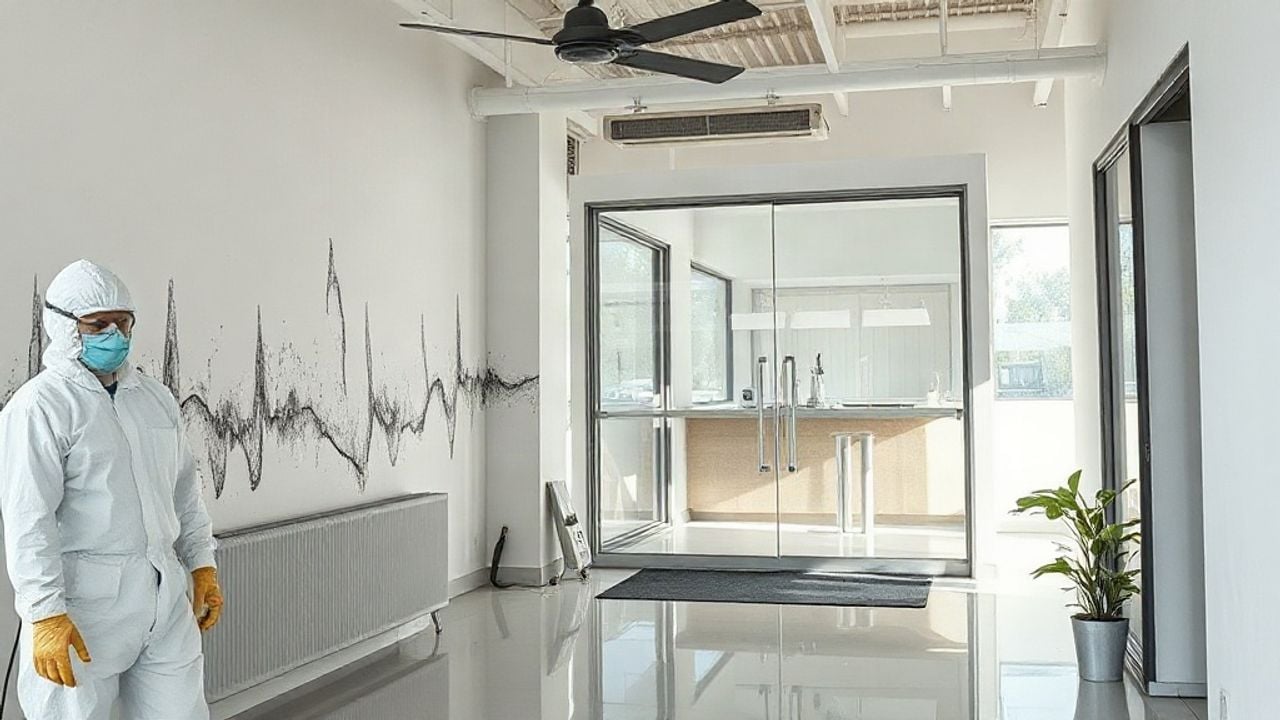 Surrey top Mold RemediationSurrey top Mold Remediation
Tips for Preventing Mold Growth
Mold Remediation
Frequently asked questions
What is Mold Remediation?
Mold remediation entails removing mold and rectifying the environmental factors that facilitate its growth, typically through controlling moisture levels in the building.
How do I choose a Mold Remediation provider?
Select a provider with proper certification and substantial experience, ask for client references, look through customer reviews, and make sure they offer clear cost estimates along with a thorough remediation plan.
How much does Mold Remediation cost?
The price of mold remediation can vary greatly based on the level of contamination and the area involved, generally ranging from $500 up to $6,000. It’s advisable to obtain a detailed quote to clarify the services provided.
Can I perform Mold Remediation myself?
While homeowners can manage small mold issues, it is essential for professionals to handle more extensive infestations to ensure thoroughness and safety.
What type of equipment is used in Mold Remediation?
Professionals employ specialized equipment such as air scrubbers, dehumidifiers, and HEPA vacuums, which are vital for effectively extracting mold spores from the environment during remediation.
When assessing Mold Remediation, concentrate on the proof of effectiveness, clear reporting, and alignment with your market and timeline. Be wary of ambiguous promises that lack a measurement framework.
Inquire about progress monitoring, the distinction between included and optional services, and how the provider modifies strategies if traffic or rankings plateau. A written agreement outlining the scope of work prior to payment can protect both parties.
Mold remediation is essential for maintaining healthy living conditions. Engaging qualified professionals ensures that mold issues are effectively addressed while safeguarding your property and health.
By understanding the importance of prompt action and comprehensive remediation processes, homeowners can better manage their environments and reduce the likelihood of mold recurrence.